
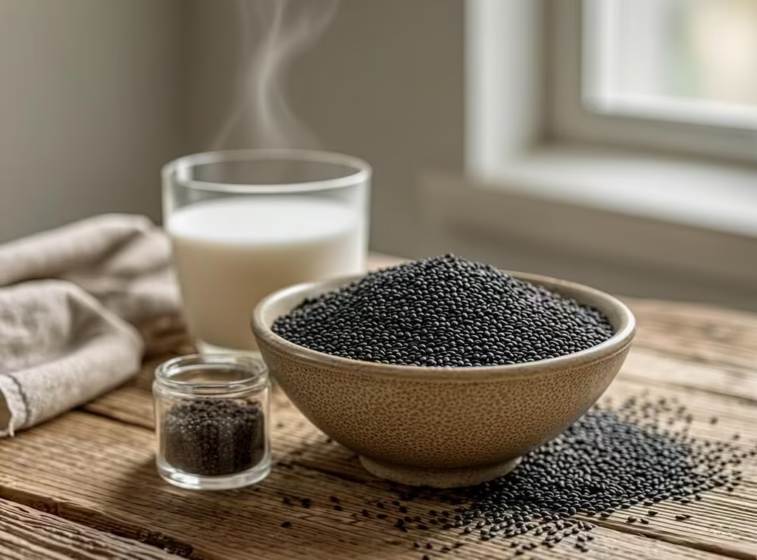
Learn how to consume black sesame seeds for maximum benefits. Discover optimal dosage, preparation tips, and the best ways to add them to your daily diet.
How to Consume Black Sesame Seeds: Best Ways & Dosage
If you’ve ever wondered how to consume black sesame seeds, you’re not alone — it’s one of the most searched nutrition questions right now. These tiny seeds pack a serious punch of calcium, iron, magnesium and antioxidants. But the way you eat them matters more than you’d think.
What Are Black Sesame Seeds?
Black sesame seeds come from the Sesamum indicum plant. Unlike white sesame, the black variety retains its outer hull, which means higher fiber and more antioxidants — particularly lignans like sesamin and sesamolin. A 2016 study in the Journal of Medicinal Food confirmed that black sesame seeds contain significantly more polyphenols than their white counterparts.
Don’t confuse them with black cumin (Nigella sativa). Totally different plant, different taste, different benefits.
Can Black Sesame Seeds Be Eaten Raw?
Yes, but raw seeds contain enzyme inhibitors that reduce nutrient absorption. Soaking them overnight in water breaks down these compounds, making minerals like calcium and zinc more bioavailable. Alternatively, lightly toasting seeds for 3–4 minutes on medium heat improves both digestability and flavor.
What Is the Best Way to Use Black Sesame Seeds?
It depends on your goal. Ground seeds release more nutrients than whole ones — your body can actually access the fats and minerals inside. Here are proven ways:
- Sprinkled on meals — salads, rice bowls, oatmeal
- Blended into smoothies — grind first for best absorption
- As tahini paste — black sesame tahini works great in dressings
- In traditional recipes — Japanese goma dofu, Indian til ladoo, Middle Eastern halva
How Much Black Sesame Seeds to Eat Per Day?
Most sources agree on 1–2 tablespoons daily (about 10–20g). A 2019 study published in Nutrition & Metabolism showed that 40g daily improved cholesterol markers, but that’s considered a high dose. Stick to 2 tablespoons unless your doctor says otherwise.
When Should I Eat Them — Morning or Night?
Morning consumption on an empty stomach is generally preferred. In Ayurvedic tradition, sesame seeds eaten in the morning with warm water or ghee help balance Vata dosha and support digestion throughout the day. Evening intake is fine too, just avoid large amounts before bed since the high fat content might feel heavy.
Black Sesame Seeds Benefits for Hair and Grey Hair
This is a big one. Black sesame seeds are rich in copper and iron — both essential for melanin production. Traditional Chinese Medicine has used them for centuries to prevent premature greying. While clinical evidence is still limited, a 2017 pilot study in Pharmacognosy Magazine noted improved hair pigmentation markers in participants consuming black sesame extract over 12 weeks.
Precautions and Who Should Be Careful
Black sesame seeds are generally safe, but keep these in mind:
- Allergies — sesame is now a major allergen (labeled in the US since 2023)
- Blood thinners — sesame may interact with anticoagulants like warfarin due to its vitamin K content
- Pregnancy — small culinary amounts are safe; megadoses are not studied enough
- Digestive issues — overconsumption can cause bloating and gas
FAQ
Is It Okay to Eat Black Sesame Seeds Every Day?
Absolutely. Daily intake of 1–2 tablespoons supports bone health, provides antioxidants, and may benefit heart health. Just watch for any digestive discomfort.
What Happens If You Eat Too Much?
Excess intake (over 3 tablespoons daily) can lead to bloating, weight gain from extra calories, and potentially elevated oxalate levels, which isn’t ideal for people prone to kidney stones.
Final Thoughts
Black sesame seeds are one of the simplest superfoods to add to your daily routine. Grind them, toast them, soak them — just don’t skip them. Start with one tablespoon a day and build up from there. Your bones, hair, and heart will thank you for it.