
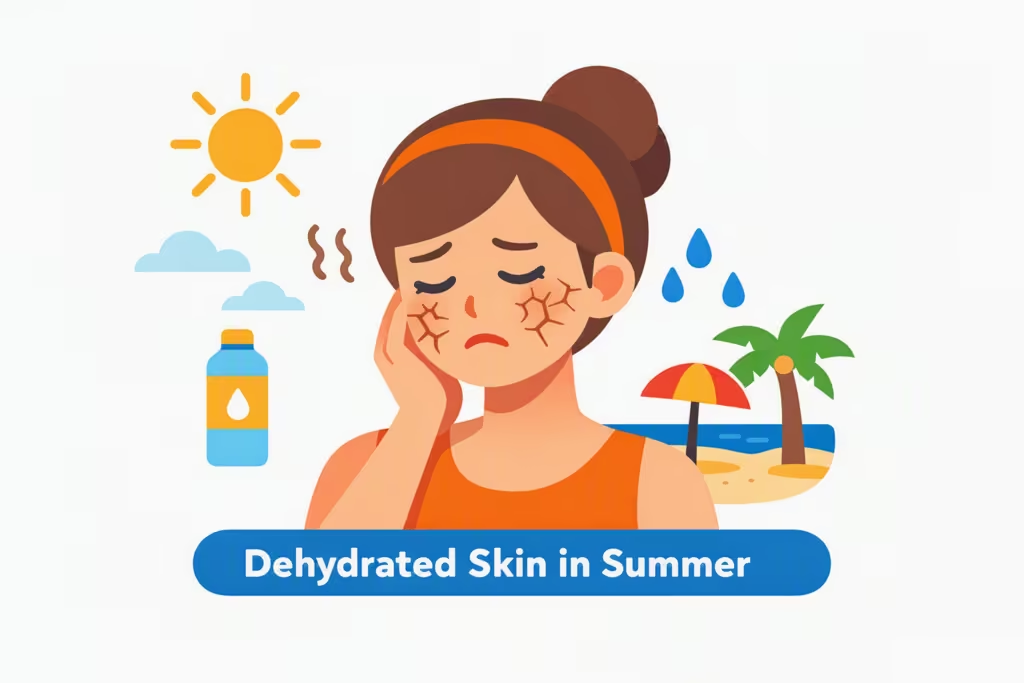
Support dehydrated skin in summer with multi-weight HA, ceramides, panthenol, gentle cleansing, and breathable SPF to restore lasting skin comfort daily.
In many cases, summer dehydration hides behind shine. For instance, your client may look oily by noon. Still, the skin might report –
- Tightness
- A rough texture
- An almost papery feeling after cleansing.
That is the strange part of dehydrated skin in summer. Basically, it does not always look dry. Also, a heavier moisturizer is not always the answer.
For aestheticians, the solution is not to “add more cream.” Obviously, moisturizer might help. However, the skin might lack water-binding support, barrier lipids, and calm recovery ingredients. Then, the routine may sit on top without correcting the uncomfortable water-loss pattern underneath.
Dehydrated Skin in Summer: Why Moisturizer Alone Falls Short
At the outset, dehydrated skin is a water issue rather than an oil issue. For instance, a client might have oily, combination, blemish-prone, or mature skin. Still, it might be dehydrated.
Therefore, the goal is not to smother the skin with a richer texture. Rather, it helps the skin attract, retain, and manage water more efficiently.
In hot months, the following factors contribute to uneven hydration:
- Sweat
- Sunscreen
- Air-conditioning
- Frequent cleansing
- Outdoor exposure.
Meanwhile, humidity might lead clients to believe their skin has enough moisture.
Why Does Skin Feel Tight Even in Humidity?
Sometimes, humid air makes the skin surface feel slick. Even then, the barrier may still lose water if its lipid structure and hydration reserves are not well supported.
The client may not need a heavier night cream first. Instead, they may need –
- Multi-weight HA (hyaluronic acid) for water-binding support
- Panthenol for comfort
- Ceramides help maintain the skin barrier.
| What Your Client Reports | What May Be Happening | Better Protocol Direction |
| Oily but tight skin | Surface oil with underlying dehydration | Add humectants before moisturizer |
| Moisturizer disappears fast | Skin lacks water retention support | Layer multi-weight HA and barrier lipids |
| Stinging after cleansing | Barrier comfort may be reduced | Simplify cleansing and add panthenol |
| Rough texture in heat | Dehydration and buildup may overlap | Hydrate first, exfoliate carefully |
| Shine with dullness | Water-oil balance feels inconsistent | Use lightweight hydration, not heavy occlusion |
What Is Happening Inside the Barrier
In general, the skin barrier depends on –
- Water
- Natural moisturizing factors
- Lipid organization.
In fact, when those elements work together, the skin feels flexible and calm. However, sometimes, when summer conditions increase evaporation, cleansing frequency, and sweat-related irritation. Then, the barrier might feel less coordinated.
Hence, aestheticians must treat dehydrated skin in summer as a sequencing problem. If moisturizer is applied before the skin has received enough water-binding support, it may soften the surface but leave tightness unresolved.
Therefore, aestheticians must follow this protocol:
- Hydration
- Replenishment
- Protection.
The Professional Summer Hydration Protocol
Primarily, a strong summer hydration protocol should feel lightweight and layered. In those cases, aestheticians might help clients understand that comfort improves when water-based hydration and barrier support work together.
1. Cleanse Without Creating That Tight Finish
Start with a gentle cleanse that removes sweat, sunscreen, and surface buildup without leaving the skin squeaky.
Meanwhile, if your client wears makeup or water-resistant SPF, choose a nourishing cleansing oil, followed by a mild cleanser. This helps achieve a cleaner finish without overworking the barrier.
Basically, dehydration worsens when clients cleanse too aggressively. At the outset, they think they are controlling shine. However, they might increase tightness. So, the cleanser should prepare the skin for hydration rather than make the moisturizer work harder later.
2. Layer Multi-Weight HA Before Moisturizer
Multi-weight HA supports summer hydration by working across surface and slightly deeper hydration needs. In simple terms, it helps the skin feel more hydrated with water before the moisturizer locks in comfort.
In those cases, it is best to go with a lightweight moisturizer with hyaluronic acid booster formula with vitamin C and niacinamide. This is because it supports hydration while also helping the complexion look brighter and more refreshed.
Also, this booster should sit under moisturizer rather than replace it. This is because humectants and emollients do different jobs.
3. Add Panthenol and Ceramides for Comfort
At the outset, panthenol helps maintain skin comfort. This is especially when heat and frequent cleansing leave the skin feeling reactive.
Basically, ceramides support the lipid structure. This helps reduce water loss and maintain a smoother-feeling barrier. Together, they help move the routine from temporary softness to better resilience.
When building protocols for dehydrated skin in summer, make sure the moisturizer doesn’t have to carry the whole routine.
In this case, a microbiome-supportive moisturizer formula can help support comfort without feeling overly dense in humid weather. It must contain the following:
- Squalane
- Mango seed butter
- Lactobacillus ferment lysate filtrate
- Panthenol
- Bisabolol.
4. Finish the Morning With Hydrating SPF
Daytime protection matters because UV exposure and heat make already-dehydrated skin feel more unstable. Hence, it is better to choose a hydrating SPF moisturizer with –
- Peptides
- Trehalose
- Amino acids
- Botanical extracts
- Vitamin E.
These help support daily defense while helping the skin feel hydrated and comfortable. This kind of AM finish works especially well for clients who hate layering in summer. So, instead of stacking a moisturizer, sunscreen, primer, and more, make the routine cleaner.
What to Avoid When Moisturizer Is Not Enough
When clients complain about tightness, the instinct is to add more richness. However, that might backfire in summer. This happens especially if the skin is also sweaty, congested, or heat-reactive.
Therefore, aestheticians should adjust the entire routine before simply increasing the cream’s weight. So, it is important to avoid the following:
- Using exfoliating acids every night when the client already feels tight, shiny, or reactive in hot weather.
- Skipping humectant layers. This is because moisturizer alone may not provide enough water-binding support.
- Heavy occlusive textures for every client. This is especially when sweat buildup or congestion is already a concern.
- Over-cleansing after workouts or SPF reapplication. In fact, repeated cleansing may increase the need for skin barrier repair.
| Pro Tip: A client might say their moisturizer “stopped working!” Then, check the hydration step first. In most cases, the moisturizer does not fail. Rather, the skin simply requires water-binding ingredients underneath and better barrier support around it. |
Summer Skin Feels Better When Hydration Comes Before Weight
In the end, a richer cream does not always solve summer dryness. In many cases, dehydrated skin in summer needs smarter layering. It requires gentle cleansing and multi-weight HA. Also, it wants panthenol, ceramides, and a breathable moisturizer. Then, it requires a daily SPF that clients will actually use.
For best results, aestheticians guide clients toward lighter textures and better sequencing. Moreover, they help with seasonal adjustments rather than defaulting to heavier products.
So, you have to support summer hydration with a more professional protocol. Therefore, choose formulas that replenish water and maintain barrier comfort. This will help the skin stay steady through heat, humidity, and daily sun exposure.






Leave a Reply