

October 20, 2026
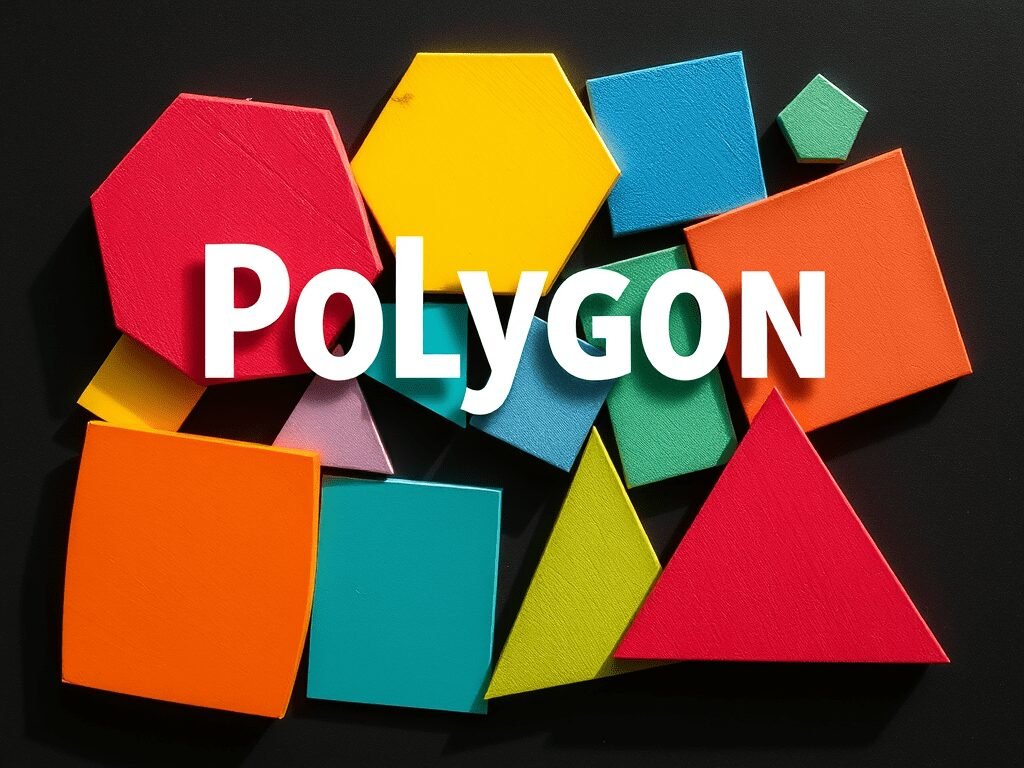
What is a Polygon? Shape, Definition, Types, and Examples
October 13, 2026

Debt to equity ratio calculator
October 8, 2026

How is Money Divided Using the 50-30-20 Method
October 8, 2026

How to Calculate Variable Cost
October 8, 2026

How to margin rate calculation
September 26, 2026

Complex Systems Intelligent Science
September 24, 2026

How to Curate an Art Collection That Increases in Value Over Time
Education is the process of acquiring knowledge, skills, values, and attitudes through formal or informal instruction. It is a fundamental aspect of human development that empowers individuals with the tools they need to participate effectively in society and pursue personal and professional goals. It is vital for personal growth, social progress, economic development, and the overall well-being of individuals and communities.
Key aspects of education include:
- Formal: Formal refers to structured and organized learning that takes place in educational institutions such as schools, colleges, and universities. It follows a predefined curriculum and is delivered by trained teachers or instructors.
- Informal: Informal occurs outside of formal institutions and includes learning through daily experiences, interactions with others, and self-directed exploration. They can be equally valuable in acquiring practical skills and life knowledge.
- Primary: Primary is the initial phase of formal education and typically covers early childhood through elementary school. It lays the foundation for literacy, numeracy, and critical thinking.
- Secondary: Secondary follows primary education and includes middle and high school. It provides a more comprehensive curriculum and prepares students for higher education or vocational paths.
- Higher: Higher encompasses post-secondary learning in colleges and universities. It offers specialized knowledge and skills through degree programs in various fields, such as arts, sciences, engineering, medicine, business, and more.
- Vocational: Vocational provides training and skills development for specific trades or professions, preparing individuals for careers in fields like plumbing, carpentry, healthcare, and technology.
- Continuing: Continuing allows individuals to enhance their knowledge and skills beyond formal education. It includes workshops, seminars, online courses, and professional development programs.
- Access and Inclusivity: Ensuring equal access to education for all individuals, regardless of socioeconomic background, gender, ethnicity, or physical abilities, is essential for promoting social equity.
Education is a transformative process that empowers individuals to think critically, solve problems, communicate effectively, and adapt to changing circumstances. It promotes creativity, cultural understanding, and empathy, fostering a more informed and tolerant society. By investing in education, societies can cultivate a skilled and knowledgeable workforce, encourage innovation, and address societal challenges effectively.