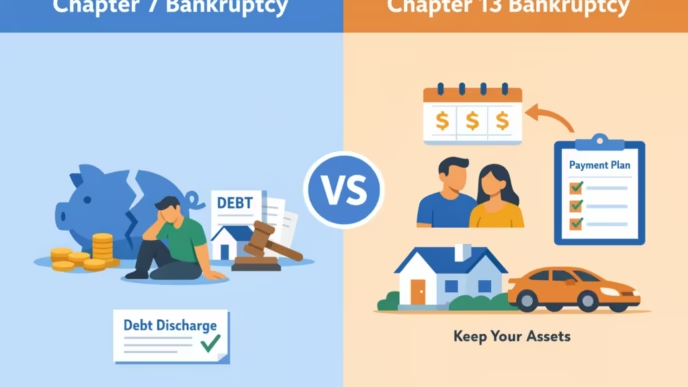
Compare
Compare means to examine two or more items, ideas, or entities to identify similarities and differences. This process involves evaluating characteristics. Such as features, quality, cost, performance, or impact to draw conclusions, make informed decisions, or prioritize options.
Comparisons can be qualitative (descriptive) or quantitative (numeric), and often presented using tools like tables, charts, or pros-and-cons lists. Common in analysis, reviews, shopping, and research, effective comparisons rely on clear criteria, objectivity, and context to ensure fairness and usefulness. They help clarify choices, highlight strengths and weaknesses, and support critical thinking.
48 posts